
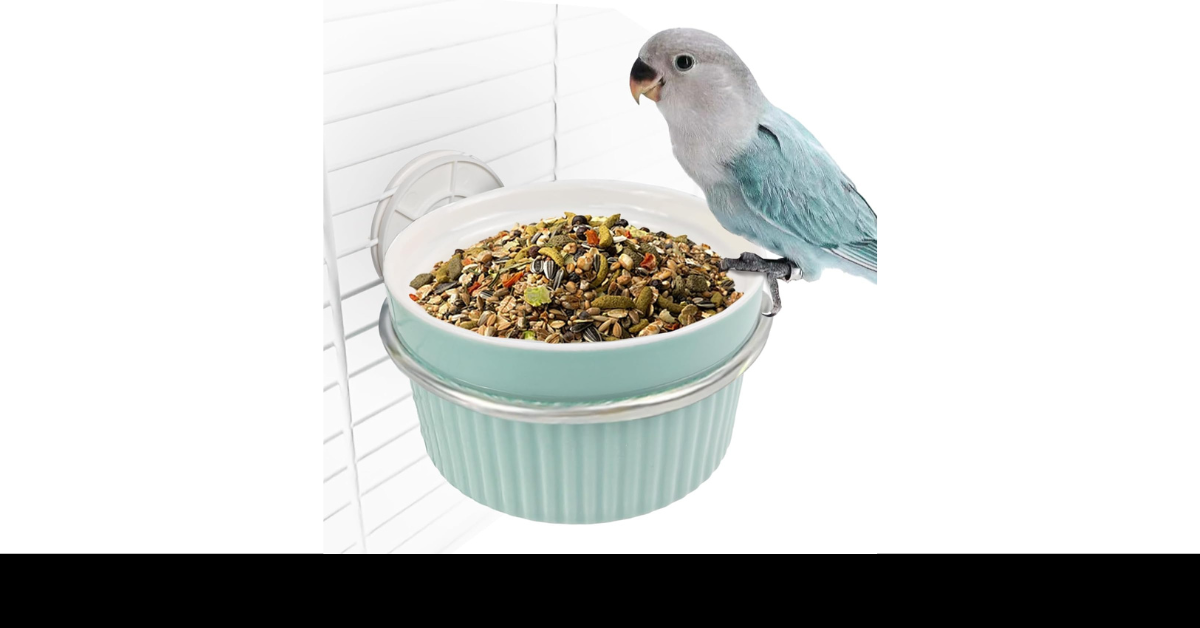
Have you ever watched a bird struggle to drink from a makeshift bottle cap and thought, there has to be a better way? There is. Bird feeding cups are small, simple attachments that clip right onto cage bars or hang freely, giving your birds a clean, easy-to-reach spot for food, water, or treats. I started using them years ago when my parakeets kept tipping over their bowls — and honestly, it changed my whole routine. After trying dozens of styles across different bird species, I’ve learned what actually works and what’s just pretty packaging. Whether you’re a first-time budgie parent or you’ve kept birds for decades, picking the right cup makes daily care so much easier. So let’s dig into what you really need to know before you buy.
Bird Feeding Cups
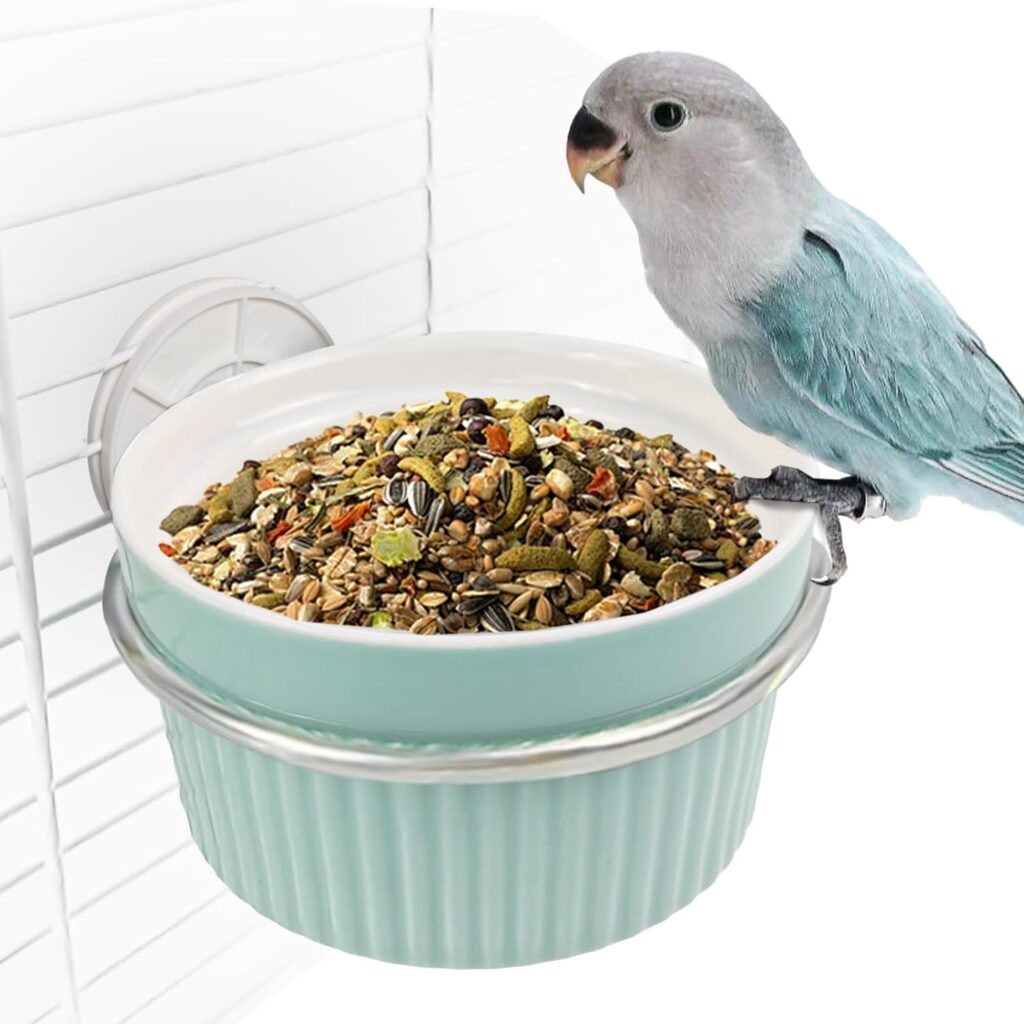
Bird feeding cups are one of the simplest upgrades for any bird cage. They clip to the bars or hang freely. They hold food, water, or treats. I’ve used them for years with my budgies and finches. They cut mess and make daily cleaning so much faster. If you’re tired of spilled seed and soggy water dishes, a good cup is worth every penny.
Check the price on Amazon
Pros
- Easy to clip onto any cage bar — no tools needed
- Reduces seed spillage and wasted food
- Dishwasher-safe plastic options make cleaning simple
- Works for food, water, and fresh treats in one cup
- Affordable — most packs are under $10 in the US
Cons
- Cheap clips can loosen over time and drop the cup
- Small sizes may need refilling twice daily for active birds
- Plastic can stain from fruit or colored pellets
- Not all cups fit wide-bar cages without adapters
- Stainless steel versions cost more upfront
My Recommendation
I always suggest starting with a stainless steel set if you can. Plastic cups work fine short-term, but steel ones last years and don’t hold odors. For small birds like budgies or finches, a 2 oz cup is plenty. For larger birds like cockatiels, go for 4 oz or more. Check your cage bar spacing first so the clip fits snug.
| Feature | Plastic Cup | Stainless Steel Cup | Ceramic Cup |
|---|---|---|---|
| Price range | $3–$8 (pack) | $8–$18 (pack) | $6–$14 (single) |
| Durability | Moderate | High | Medium |
| Ease of cleaning | Dishwasher-safe | Dishwasher-safe | Hand wash best |
| Stain resistance | Stains easily | No staining | Some staining |
| Clip strength | Medium | Strong | Varies / fragile |
| Best for | Budget buyers | Long-term use | Aesthetic setups |
| Odor retention | Absorbs odors | None | Low |
| Overall rating | 3/5 | 5/5 | 4/5 |
FAQ
What are bird feeding cups used for?
Bird feeding cups hold food, water, or treats inside a cage. They clip to cage bars easily. They keep things tidy and cut daily mess. Learn more about the best types for your bird.
Are bird feeding cups safe for all birds?
Yes. Most bird feeding cups are made from food-safe plastic or stainless steel. They work well for budgies, finches, cockatiels, and parrots. Always check for BPA-free labels before buying.
How often should I clean bird feeding cups?
Clean them daily. Bacteria grow fast in wet cups. A quick rinse each day keeps your bird healthy. Most cups are dishwasher-safe, which makes it even easier.
What size bird feeding cup do I need?
It depends on your bird. Small birds like budgies do fine with a 2 oz cup. Larger birds like cockatiels need 4 oz or more. Learn more about sizing before you shop.
Are stainless steel bird feeding cups better than plastic?
Yes, in most cases. Steel cups last longer, resist stains, and hold no odors. Plastic cups work short-term but wear out faster. Steel is the smarter long-term buy for most bird owners.